Move Freely: The Power Of Modern Prosthetics

Staying active after limb loss might feel overwhelming at first but here’s the surprising part: modern prosthetics are rewriting that story. Whether it’s walking through a busy street, hitting the gym, or simply enjoying a morning stroll, mobility today looks very different. And at the center of this shift? Lighter, smarter, and more adaptive artificial limbs.
A light weight artificial leg is not just about reducing physical burden it’s about restoring confidence, independence, and the freedom to move without hesitation. With continuous advancements in prosthetic technology, individuals are now embracing active lifestyles in ways that once seemed out of reach.
Why Weight Matters More Than You Think?
Let’s start with something simple: imagine carrying a heavy backpack all day. Now imagine doing that while trying to walk naturally. That’s roughly how traditional prosthetics could feel. Heavier limbs often lead to fatigue, imbalance, and even long-term strain on the body.
Lightweight prosthetics, on the other hand, are designed to reduce that burden. They allow smoother movement, better posture, and less energy consumption during daily activities.
Key Benefits of Lightweight Prosthetics
Reduced strain on joints and muscles
Improved walking efficiency and balance
Greater comfort during extended use
Enhanced confidence in movement
Designed for Movement, Built for Life
Modern prosthetic legs aren’t just lighter they’re smarter. Engineers and healthcare professionals now focus on biomechanics, ensuring that every step feels as natural as possible.
Materials like carbon fiber and advanced polymers are commonly used to create durable yet lightweight structures. These materials absorb shock, store energy, and release it efficiently almost mimicking the natural function of muscles and tendons.
Features That Support Active Lifestyles
Dynamic Response Feet: Helps in running and quick movements
Shock Absorption Systems: Reduces impact during walking or jumping
Custom Fit Sockets: Ensures comfort and prevents skin irritation
It’s these small but powerful innovations that make everyday activities like climbing stairs or walking on uneven surfaces feel much more manageable.
From Everyday Tasks to Athletic Goals
Here’s where things get interesting. Lightweight prosthetics are not just for basic mobility they’re enabling people to push boundaries. From cycling and swimming to marathon running, users are exploring activities that demand endurance and agility.
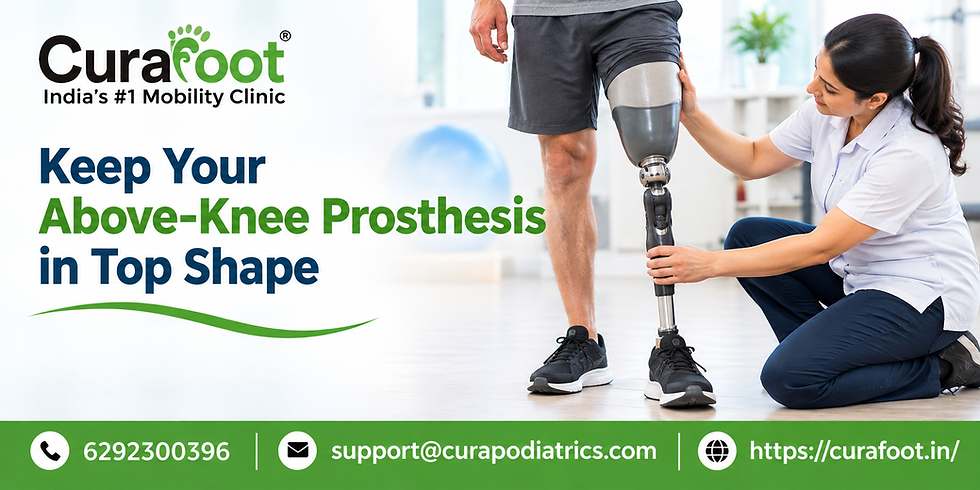
For individuals requiring higher-level mobility, an above knee advanced prosthetic leg offers enhanced control and flexibility. These advanced systems often include microprocessor-controlled knees that adapt to different walking speeds and terrains.
According to the Amputee Coalition, individuals using advanced prosthetics are more likely to engage in physical activities regularly, improving both physical and mental health outcomes.
The Psychological Boost: More Than Just Mobility
It’s easy to focus on physical benefits, but the emotional impact is just as profound. Regaining the ability to move freely often leads to increased self-esteem and a renewed sense of independence.
Confidence grows with improved mobility
Social participation becomes easier
Mental well-being improves with active engagement
There’s something incredibly empowering about taking control of your movement again. It’s not just about walking it’s about living fully.
Tips for Maximizing an Active Lifestyle with Prosthetics
If you’re using or considering a lightweight prosthetic leg, a few practical strategies can make a big difference:
Regular Maintenance: Keep your prosthetic in top condition for optimal performance
Physical Therapy: Strengthen muscles and improve coordination
Gradual Progression: Start slow and build up activity levels
Proper Fit Checks: Ensure comfort and avoid injuries
Think of it like training for a marathon you don’t sprint on day one, but with consistency, progress becomes inevitable.
FAQ Section
1. Are lightweight artificial legs suitable for daily use?
Yes, they are designed for everyday activities, offering comfort, flexibility, and reduced fatigue compared to heavier prosthetics.
2. Can I participate in sports with a lightweight prosthetic leg?
Absolutely. Many modern prosthetics are designed for active lifestyles, including sports and fitness activities.
3. How long does it take to adjust to a new prosthetic leg?
Adjustment time varies, but with proper training and therapy, most users adapt within a few weeks to months.
4. What makes advanced prosthetic legs different?
Advanced prosthetics often include smart features like microprocessors, offering better control, adaptability, and natural movement.
Final Thoughts
The journey toward mobility doesn’t end with getting a prosthetic it begins there. Lightweight artificial legs are transforming lives by making movement easier, more natural, and far less tiring. For those eager to stay active, explore new challenges, or simply enjoy everyday moments, these innovations offer something invaluable: the freedom to move without limits.
Full Audio Version:- Click Here

Comments