Keep Your Above-Knee Prosthesis in Top Shape
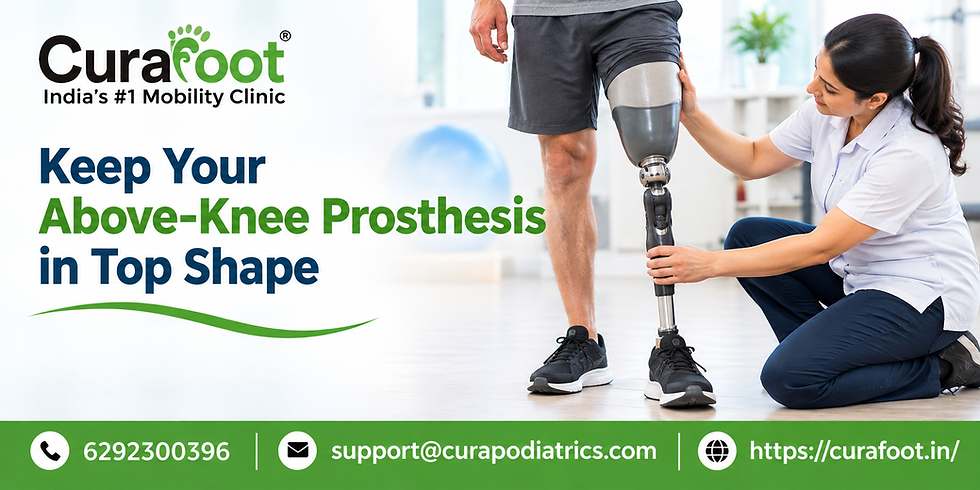
An above-knee prosthetic leg can make everyday activities feel manageable again, from walking through a local market to visiting family or enjoying a short evening stroll. However, like any carefully designed piece of equipment, it needs regular attention. With the right cleaning habits, socket care, and professional check-ups, you can improve comfort, support mobility, and help your prosthesis perform reliably.
For people using above knee prosthetics in Kolkata, proper maintenance is particularly important because heat, humidity, sweat, and daily dust can affect comfort and hygiene. A few simple habits can help protect both your prosthetic device and the skin around it.
1. Clean Your Prosthesis Every Day
Daily cleaning is one of the easiest ways to keep your prosthetic leg in good condition. Sweat and moisture can accumulate inside the socket, while dust and dirt may collect around the knee mechanism and other components. Over time, neglecting these areas can contribute to unpleasant odours, skin irritation, or mechanical problems.
Build a Simple Cleaning Routine
Clean the socket: Wipe the inside with a soft cloth and a mild cleaning solution recommended by your prosthetist. Allow it to dry completely before wearing the device.
Care for the liner: If your prosthesis uses a removable liner, clean it according to the manufacturer's instructions. Some liners require specific soaps or cleaning methods.
Wipe external surfaces: Use a soft, slightly damp cloth to remove everyday dust. Avoid soaking the device or exposing mechanical components to excess water.
Check before wearing: Make sure all cleaned surfaces are dry and free from soap residue.
Kolkata's humid weather can make perspiration more noticeable, particularly during summer. If the socket or liner becomes damp during the day, follow your prosthetist's advice for safely drying and refreshing it.
2. Protect Your Residual Limb and Skin
Your prosthesis may be well maintained, but your skin deserves equal attention. The residual limb, which is the part of the leg remaining after amputation, sits inside the socket and experiences pressure and friction during movement. Even a small change in fit can create discomfort when you walk.
Inspect your skin daily, preferably after removing the prosthesis. Look for redness that persists, blisters, swelling, unusual warmth, cuts, or areas that feel tender. People with diabetes or reduced sensation should be especially careful because skin damage may develop without obvious pain.
Keep these habits in mind:
Wash the residual limb gently and dry it thoroughly, particularly around skin folds.
Use only skin-care products approved by your healthcare professional, since oily lotions may affect liner materials or socket fit.
Keep prosthetic socks clean and dry, and change them when necessary.
Never ignore persistent redness, sores, discharge, or increasing discomfort. Contact your healthcare provider promptly.
If you notice an open wound or signs of infection, stop using the prosthesis until you have received appropriate medical advice. Do not attempt to solve a pressure problem by padding the socket yourself.
3. Check the Fit Before Every Walk
A prosthetic leg should feel secure without causing painful pressure. However, residual limb volume can change throughout the day because of temperature, activity, and fluid shifts. As a result, a socket that felt comfortable in the morning may feel loose or tight later.
Before walking, check whether the socket sits correctly and whether the suspension system is secure. If your prosthesis requires prosthetic socks, follow your clinician's instructions about adding or removing sock layers to accommodate changes in limb volume.
Watch for warning signs such as:
The prosthesis slipping, rotating, or feeling unstable.
New clicking sounds, unusual movement, or difficulty bending the knee mechanism.
Repeated rubbing, pressure points, or a noticeable change in walking posture.
These symptoms may indicate that your prosthesis needs adjustment rather than simply more frequent cleaning. A qualified prosthetist can assess the socket fit, alignment, suspension, and component condition.
4. Protect Mechanical Parts From Wear
An above-knee prosthesis may include a mechanical or microprocessor-controlled knee, a socket, a suspension system, and a prosthetic foot. Each component has different maintenance requirements, so avoid treating the entire device as though it were an ordinary household object.
Follow the manufacturer's maintenance schedule and attend recommended servicing appointments. Never apply household oil, grease, or cleaning chemicals to joints unless the manufacturer specifically permits them.
If you are exploring an artificial leg in Kolkata, ask the provider about servicing arrangements, replacement parts, warranty conditions, and how to recognise early signs of component wear. These practical details matter just as much as the initial fitting.
5. Adapt Your Routine to Kolkata's Climate
Heat, humidity, monsoon moisture, and dusty roads can make prosthetic care more demanding. You do not need an elaborate routine; you simply need to be consistent.
During hot weather: Carry a clean cloth and spare prosthetic socks if recommended. Take appropriate breaks if perspiration affects socket comfort.
During the monsoon: Protect your prosthesis from heavy rain and standing water. If it becomes wet, follow the manufacturer's drying instructions rather than using direct heat.
After outdoor activities: Wipe away surface dirt and check for moisture around accessible areas.
During storage: Keep the device in a clean, dry location away from direct sunlight, excessive heat, and accidental impact.
These steps are especially useful for people who commute regularly, walk through crowded streets, or use public transport. Planning ahead can make everyday mobility less stressful.
6. Schedule Regular Prosthetic Check-Ups
Routine professional reviews help identify issues before they interfere with walking. Your prosthetist can check socket fit, alignment, suspension, joint function, and signs of material damage. The appropriate review schedule depends on your device, activity level, health, and the manufacturer's recommendations.
Growing children and people experiencing significant changes in body weight or residual limb volume may need more frequent adjustments. Adults should also arrange a review whenever the prosthesis becomes uncomfortable or their walking pattern changes.
For additional guidance on residual limb health, the Amputee Coalition offers educational resources for people living with limb loss. Your own prosthetist and healthcare team remain the best sources for advice tailored to your particular device and medical needs.
Frequently Asked Questions
1. How often should I clean my above-knee prosthetic leg?
Clean the socket and other user-maintainable surfaces daily, and clean removable liners according to the manufacturer's instructions. Allow components to dry completely before use.
2. Can I wear my prosthetic leg throughout the day?
Wear time depends on your rehabilitation progress, skin condition, comfort, and clinician's recommendations. Follow your prescribed wearing schedule and take action if you develop pain, persistent redness, or skin damage.
3. What should I do if my prosthetic leg becomes loose?
Check the fit and suspension system according to your training instructions. If the looseness persists, contact your prosthetist for an assessment. Avoid making unauthorised changes to the socket or mechanical components.
4. When should I replace my above-knee prosthesis?
There is no single replacement interval for every user. Replacement or component upgrades depend on wear, damage, changes in residual limb shape, functional needs, and professional assessment.
Final Thoughts
Caring for an above-knee prosthetic leg is less about complicated maintenance and more about consistent attention. Clean the device, protect your skin, check the fit, and seek professional help when something feels different. For prosthesis users in Kolkata, these habits can support greater comfort, confidence, and day-to-day mobility while helping the device remain dependable for as long as its condition allows. Full Audio: Listen Here
Comments